B2B lead generation is one of the most important strategies for companies that want to grow and build a consistent sales pipeline. In simple terms, B2B lead generation is the process of identifying potential business customers who may be interested in your products or services and converting them into prospects for your sales team. Unlike B2C marketing, where companies target individual consumers, B2B marketing focuses on reaching decision-makers in organizations such as managers, directors, and executives.
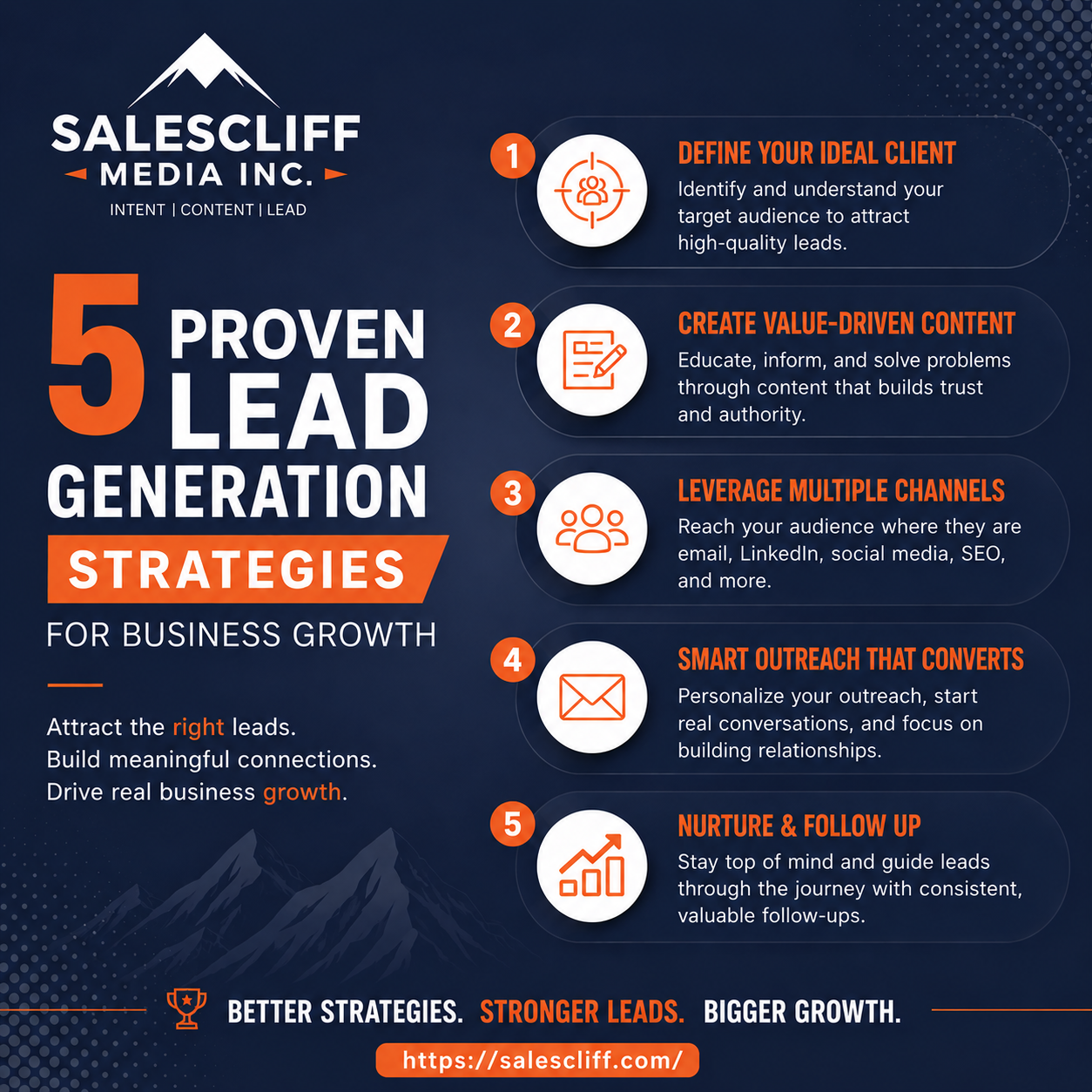
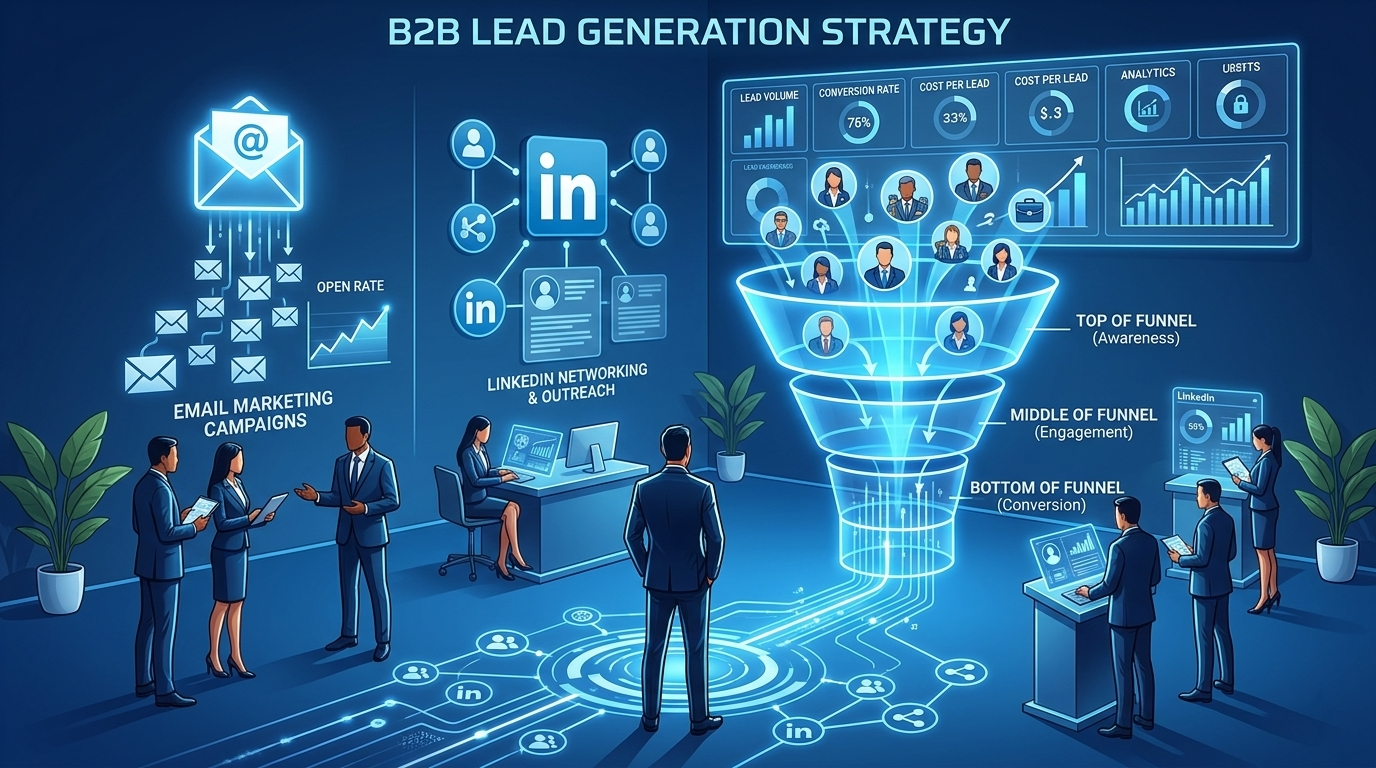
In today’s competitive digital marketplace, businesses cannot rely only on traditional marketing methods. Instead, they must adopt modern lead generation strategies that combine digital marketing, content creation, and data-driven targeting. Effective B2B lead generation strategies include content marketing, email campaigns, LinkedIn networking, SEO, webinars, and marketing automation tools. These methods help businesses attract and engage potential customers who are already looking for solutions related to their industry.
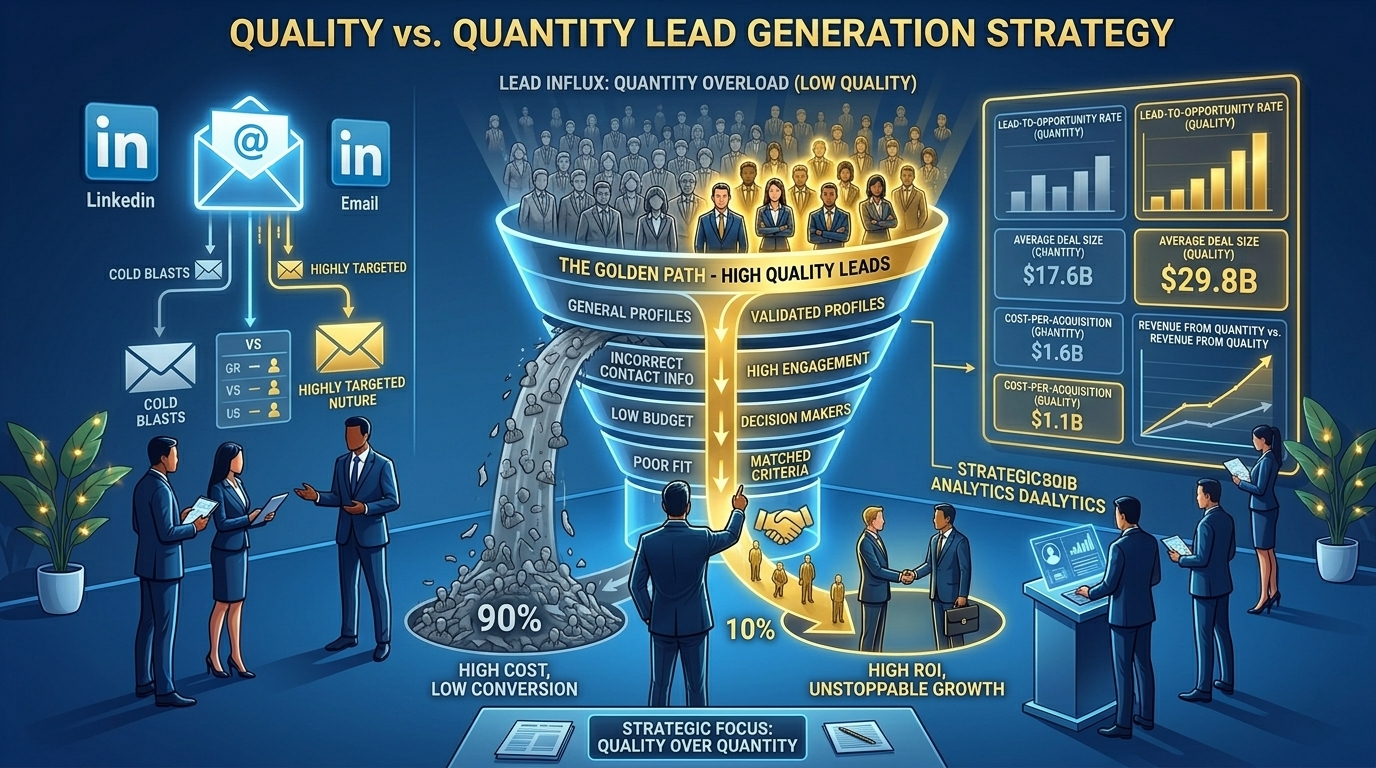
One of the key benefits of B2B lead generation is that it helps businesses reach the right audience. Rather than targeting a broad group of people, companies can focus on organizations that match their ideal customer profile. This improves marketing efficiency and increases the chances of converting leads into paying customers. For example, a software company providing HR solutions will target HR managers, recruiters, and HR technology leaders rather than general audiences.
Another advantage of B2B lead generation is that it creates a predictable sales pipeline. When businesses consistently generate leads, their sales teams always have potential customers to engage with. This reduces the uncertainty that often comes with relying only on referrals or occasional inquiries. A structured lead generation process ensures that new opportunities are continuously entering the sales funnel.
Additionally, modern B2B lead generation strategies use analytics and data tracking to measure performance. Businesses can analyze which campaigns generate the most leads, which channels drive the highest conversions, and which audience segments respond best to marketing efforts. This data helps companies refine their strategies and improve their return on investment.
Content also plays a major role in B2B lead generation. Educational blogs, industry reports, case studies, and webinars help businesses build authority and trust with their audience. When potential clients see valuable insights and expertise, they are more likely to engage with the brand and consider its solutions.
Ultimately, B2B lead generation is not just about collecting contact information. It is about building relationships with businesses that genuinely need your services. Companies that invest in a strong lead generation strategy can grow faster, increase revenue, and create long-term partnerships with their clients.